Reducing Nervousness During Job Interviews
Nervous candidates derail themselves by sounding timid or cold, not by being anxious.
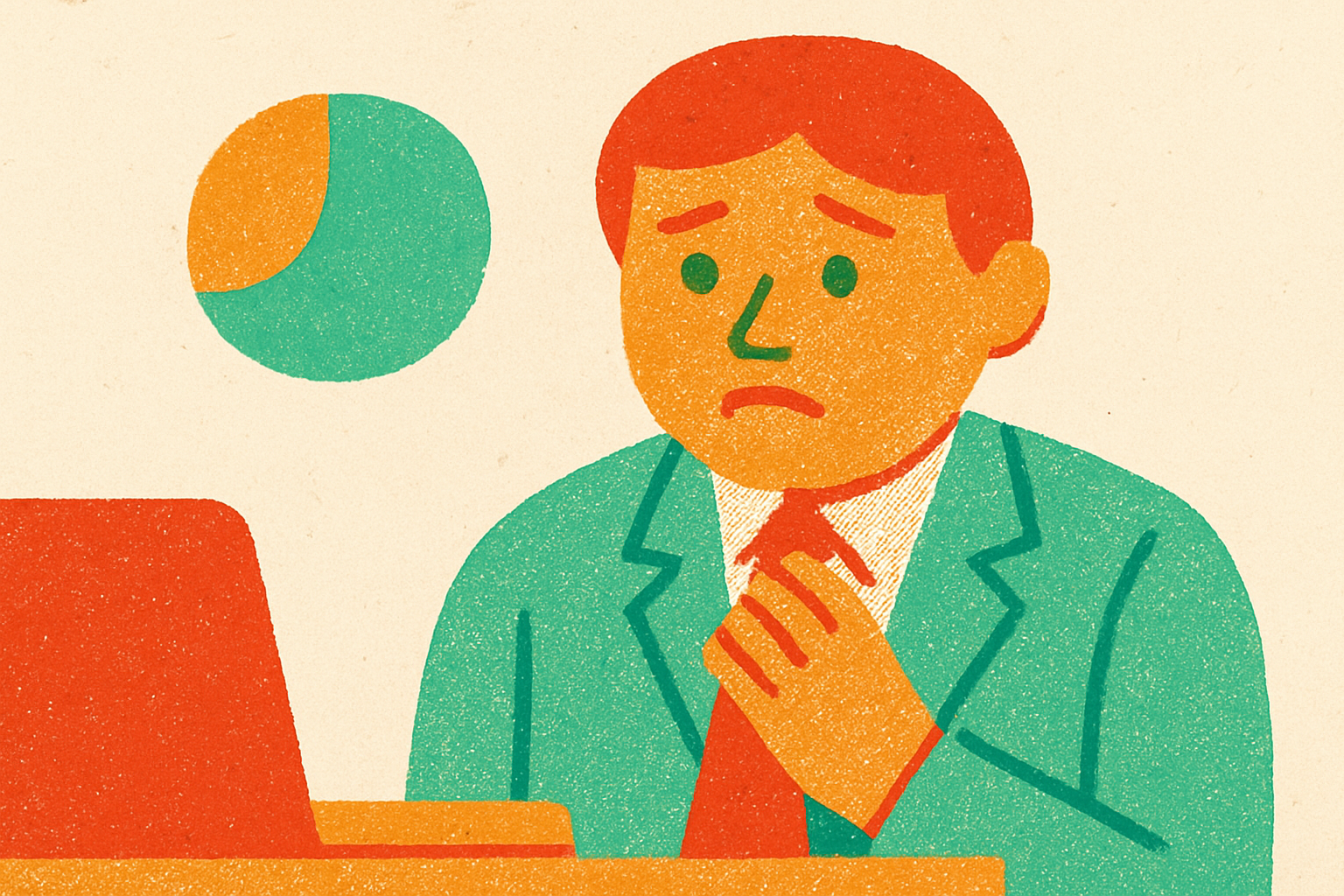
The amygdala doesn't know the difference between a hiring panel and a saber-toothed cat. Ten thousand years ago it fired at a rustle in the grass; now it fires when three strangers in blazers ask you to walk them through a time you failed. Same circuit. Worse wardrobe.
Your pounding heart, the shallow breath, the sudden inability to recall your own résumé: that's a threat response doing its job, aimed at a room with no actual predators in it. Nobody ever got eaten by a hiring manager, but try telling your nervous system that at 9 a.m. on interview day.
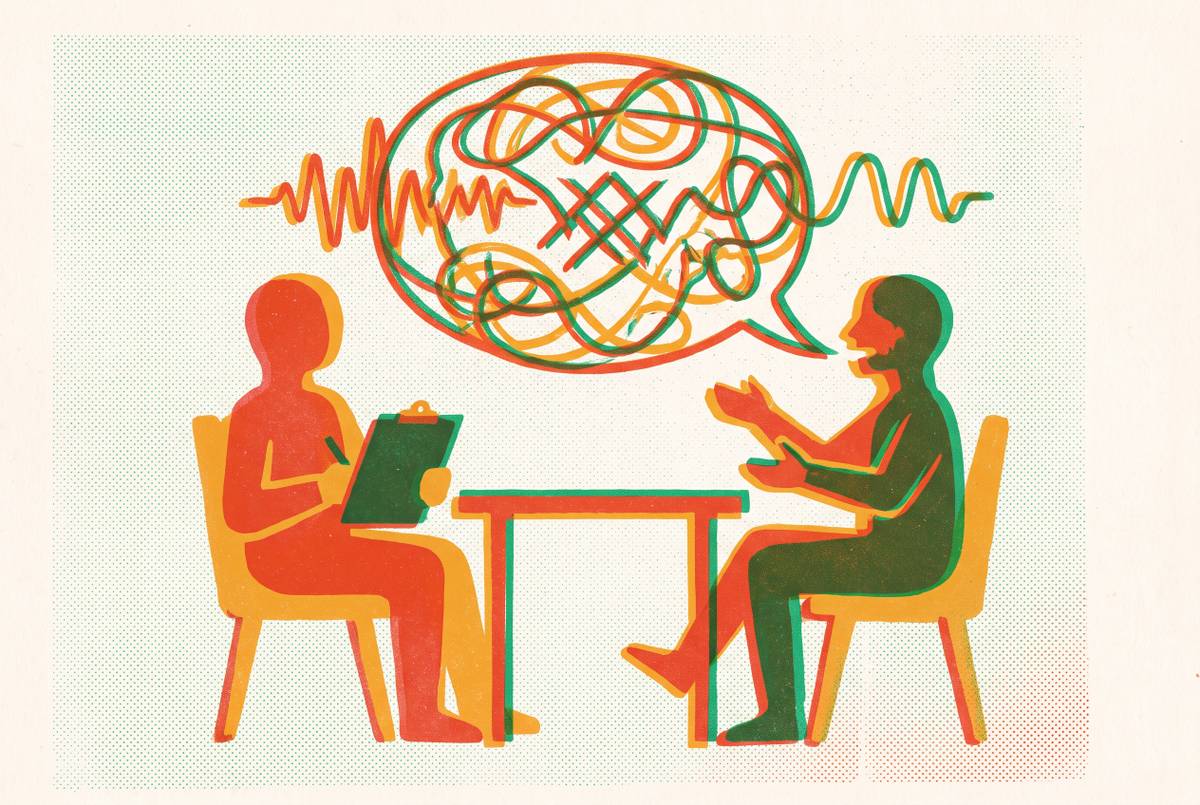
What happens next is the part worth paying attention to. Research has traced the link between anxiety and interview performance through two behaviors specifically: assertiveness and interpersonal warmth. What the nervousness does to your voice, your posture, your willingness to hold eye contact and finish a sentence with conviction, decides how it reads to the person across the table. Anxiety that shows up as timidity or coldness scores badly, while anxiety that gets routed somewhere else never registers at all.
Zero nervousness isn't the goal, for what it's worth. SEEK surveys roughly 12,000 Australians a year, and its research points to a moderate dose of pre-interview anxiety as a sign of real investment, one that can sharpen focus instead of dulling it. The task is managing the response, keeping it distinct from switching it off. Because the response is this biological and this predictable, it responds to actual mechanisms rather than a pep talk in the bathroom mirror.
The fastest interventions in the minutes before you walk in
Breathing is the cheapest lever in the building and almost nobody pulls it. Slowing your breath tells your nervous system, in the only language it speaks, that you are not being chased. Box breathing, four counts in, four held, four out, four held again, is standard issue for athletes and military personnel facing situations with actual stakes. A conference room with a hiring manager in it is a mild ask by comparison. The 4-7-8 technique runs on the same fuel, oxygen in, carbon dioxide out, and research has found that brief, single-modality interventions (breath alone, posture alone, reframing alone) each cut state anxiety on their own.
Cognitive reappraisal is the mental version of the same trick, and it's a little ridiculous once you notice it: sweaty palms and a racing heart feel identical whether you're terrified or thrilled. Your body genuinely can't tell the difference. Only the label you slap on the sensation decides which one you end up living through. Calling it fuel instead of fear redirects the feeling without any suppression involved, no gritted teeth required.
Power posing gets thrown around a lot: two minutes of expansive posture supposedly bumps testosterone and drops cortisol by double digits. The original study hasn't held up well under replication, so treat it as worth trying rather than settled science. Here's the thread connecting all three, though: each one works on the body, or on how you interpret what the body's already doing. A pep talk aimed at your conscious mind was never going to reach a response that starts in the amygdala.
Why verbal fluency is the real gap, and what it looks like when it's working
Interviewers grade delivery. Pacing, tone, whether you sound like someone tolerable to sit next to for eight hours, whether you can hold a thought together while a stranger watches you do it in real time.
People confuse verbal fluency with vocabulary constantly, and it's worth correcting. Fluency is retrieving an idea, organizing it on the fly, and getting it out of your mouth in a shape someone else can follow, live, under mild evaluative fire. Word count has almost nothing to do with it.
A few things separate the candidates who have this from the ones who don't. Pace that's neither rushed (a classic anxiety tell) nor so slow it drags. A pause after a strong point that reads as composure rather than a stall, even though the two look nearly identical from the outside. Listening closely enough that the answer responds to the actual question asked, not a memorized script bolted on regardless of fit.
Most candidates already know what they want to say. What they're missing is the ability to pull it out smoothly while someone scores them in real time, and that's a reps problem, one that no amount of extra outlining fixes.
How structured storytelling takes the guesswork, and the panic, out of answers
Behavioral questions spike anxiety for a specific reason: candidates don't know where to start, and figuring that out becomes a decision made live, in front of an audience. Structure removes the decision entirely.
STAR (Situation, Task, Action, Result) is a four-beat frame that turns a foggy memory into an actual argument. "I'm a great team player" asks the interviewer to take your word for it, which is exactly why nobody remembers hearing it. A story with a real situation, a decision point, and a measurable outcome carries its own weight. It's also, not coincidentally, how Amazon runs its interviews, built around Leadership Principles that require STAR-based answers by design.
The practical move: build three to five stories in advance, each deliverable in about two minutes. Interviewers have heard a lot of stories, and their patience runs out fast; going long costs you the room.
STAR has gotten more useful lately. Virtual interviews reward concise, structured answers over rambling ones. AI screening tools scan for specific competencies and outcomes, which a structured story hands over freely and a vague one buries somewhere in the middle. The cost of any answer that doesn't land clean has only grown as hiring environments grow more selective.
The real value, though, shows up before you ever walk in the door. Not knowing what to say is one of the biggest drivers of pre-interview anxiety, full stop. Walk in with three to five flexible stories ready to deploy across different question types, and most of that uncertainty is gone before anyone shakes your hand.
Why practice beats preparation, and what the research on mock interviews actually shows
Here's where most candidates get it backwards: they over-prepare content and barely touch delivery. Reading notes silently and saying them out loud while someone watches your face are two entirely different skills, and only one of them gets tested in the room.
A 2024 qualitative study at a private university, 17 students, found mock interview practice improved confidence, communication, and understanding of what employers actually expect. Small sample, sure, though the direction lines up with an idea in psychology that's been around a lot longer.
Social Cognitive Theory names self-efficacy, your belief in your own ability to pull off a task, as the variable that predicts performance under pressure. Self-efficacy builds one successful rep at a time, until the task stops feeling like a threat and starts feeling like Tuesday.
Exposure is the active ingredient here, and it works the way exposure therapy works for any fear response: repeated practice in an evaluative setting turns down the amygdala's alarm for that specific situation. The room stops registering as danger once you've sat in enough rooms like it.
Escalation matters too. Recording yourself answering a question and reviewing it critically sounds mild, but hearing your own voice under self-scrutiny is a real, if small, form of stress inoculation. Peer or mentor-led mock interviews raise the stakes with actual social pressure, closer to the real thing. AI-driven mock interview tools have entered the mix as well; that same study found participants called the sessions realistic and reported gains in confidence and clarity, though they also flagged that the back-and-forth still falls short of talking to an actual human being.
The format matters less than people assume. What counts is getting your mouth moving under something that resembles stakes, repeatedly, before the stakes are real.
Building the daily habit that makes practice stick, and nervousness smaller over time
Most candidates only prepare when an interview lands on the calendar. They cram, perform at whatever level the cram session bought them, and then the skill erodes quietly until the next interview forces another scramble. Nothing compounds, because nothing was ever given the chance to.
Verbal fluency behaves like a motor skill as much as a cognitive one. It degrades without use, the way a muscle does, and it grows through small, boring, low-stakes reps rather than one heroic study session the night before.
A sustainable practice doesn't need to be elaborate. Answer one prompt out loud for two or three minutes, unscripted and unwritten. Review yourself right after: what landed, where you rambled, where a sharper pause would have let the point breathe. Track it somehow, because without a feedback loop, improvement is invisible and motivation dies fast.
Daily verbal practice apps that deliver a prompt, record the response, and hand back scored feedback exist to make this loop concrete instead of aspirational. They turn "practice your interview skills" from a vague intention into a five-minute action. Athletes don't get better by thinking about the sport harder; they drill, on days nobody's watching and nothing's on the line.
Each rep adds slightly to your stock of comfortable verbal patterns, which lowers the effort it takes to speak clearly under pressure, which leaves nervousness less room to work with. Candidates who walk in looking calm simply logged more reps than everyone else in the waiting room.